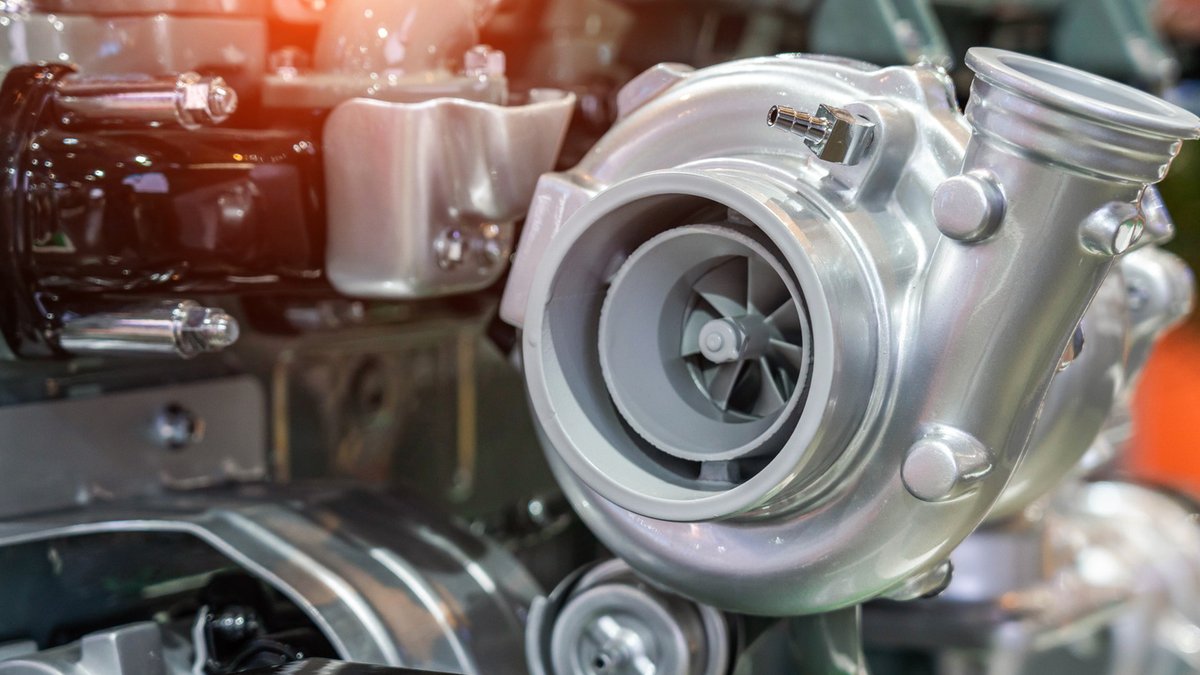
In the automotive industry, the use of forced induction has become a popular way to boost engine power without compromising efficiency. While turbochargers are the most common method, some manufacturers have experimented with combining them with superchargers to create a twin-charger system.
Twin-Charging: The Best of Both Worlds?
A turbocharger uses exhaust gases to spin a turbine and force more air into the engine, creating boost and increasing power. However, turbos can suffer from lag, as they require the engine to rev past a certain point before they become effective. Superchargers, on the other hand, are driven by the crankshaft and provide instant power, making them ideal for low rpms.
By combining both systems, a twin-charger setup can offer the benefits of each: instant low-end power from the supercharger and high-end boost from the turbo. This approach has been used in a few production cars, including the Mercedes-AMG E 53, Lancia Delta S4, and Audi SQ7.
The Drawbacks of Twin-Charging
Despite its advantages, twin-charging is not without drawbacks. The system adds weight, complexity, and cost to an engine. A turbocharger already requires additional components, such as an intercooler and boost pipes, while a supercharger needs a separate pulley and mounting system. This complexity increases the risk of failure and makes repairs more challenging.
Twin-Charging in Modern Automotive Applications
Twin-charger systems, combining turbochargers and superchargers, have been implemented in a limited number of production cars. This setup aims to merge the instant power delivery of superchargers with the high-end boost of turbochargers.
The Future of Forced Induction
The development of electric turbochargers, as seen in the Porsche 911 Turbo S, has addressed the issue of turbo lag, reducing the need for twin-charging. These e-turbos use an electric motor to spool up the turbo instantly, providing quick response and power delivery.


