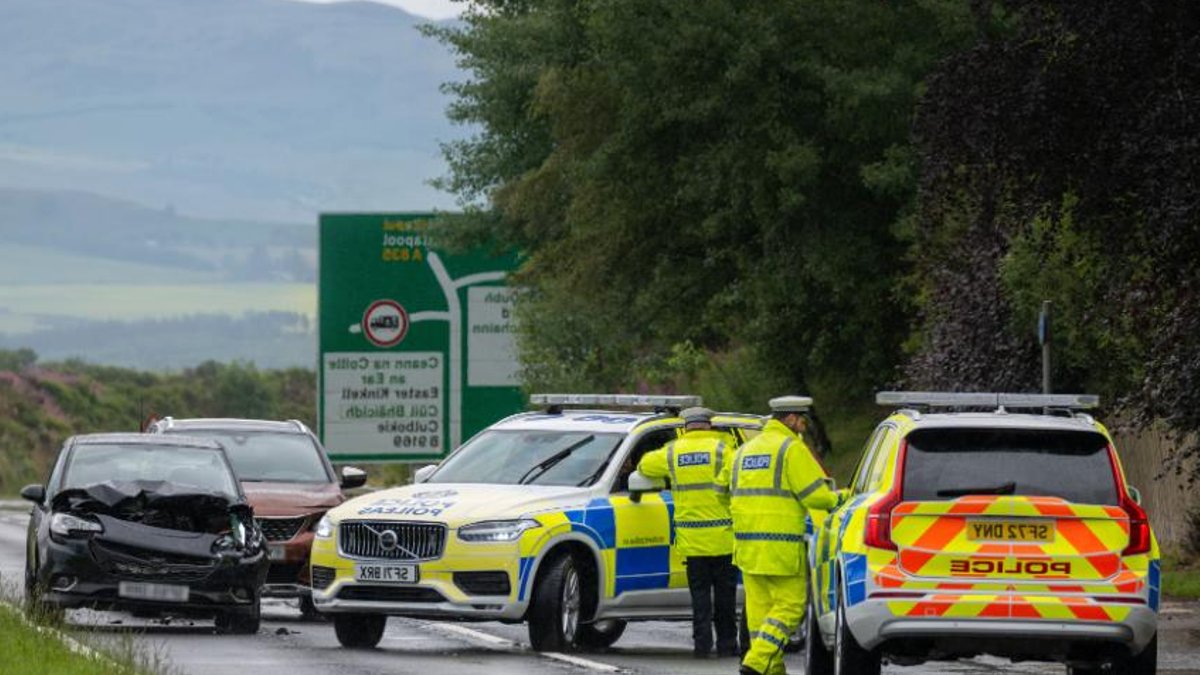
Road deaths involving drivers who are on the job accounted for more than 400 fatalities in the United Kingdom in 2025, according to figures released by the Department for Transport (DfT).
Work‑related collisions make up a sizable share of fatalities
The report shows 445 people were killed in crashes that included at least one driver or rider traveling for work. That number represents 29 % of all road deaths recorded that year. In total, 1,703 individuals were either killed or seriously injured while on a work‑related journey, covering drivers, passengers and riders.
Casualties classified as killed or seriously injured (KSI) in work‑related crashes made up 22 % of the overall KSI tally. The data suggest the proportion has stayed roughly the same as in recent years, indicating a persistent risk linked to occupational travel.
Police reports recorded 22,871 collisions involving a working driver or rider in 2025, which is 23 % of all reported incidents. The share has been stable since 2015, when the highest number of such collisions – 36,472 – was logged. The lowest figure, 21,289, appeared in 2020, a dip likely tied to pandemic‑related traffic reductions.
Related: JLR reshuffles senior management team
Vehicle types and casualty breakdown
Cars were the most common work‑related vehicle in injury collisions, comprising nearly a third of the cases. Vans and buses together accounted for just over 30 % of the total, showing the range of commercial fleets on the road.
Among the top ten vehicle categories involved in work‑related crashes were buses or coaches with 17 or more passenger seats, motorcycles over 50 cc up to 125 cc, goods vehicles between 3.5 t and 7.5 t, and agricultural machines such as diggers.
Non‑working road users also suffered heavily. The report recorded 4,757 KSI casualties who were not traveling for work but were struck by a working driver or rider. Of those, 1,183 were pedestrians hit in such incidents.
Overall, 6,460 KSI casualties resulted from collisions that involved a working driver, showing the broader impact of occupational travel on public safety.
While the number of road deaths fell overall in 2025, the share linked to work‑related journeys remained significant. The agency notes that its analysis relies on journey purpose data from the Stats19 system and, where necessary, assumptions based on vehicle type. This approach builds on earlier research from University College London, which re‑examined vehicle classifications to better capture work‑related travel.
Related: BMW’s New M3 Arrives Early, Still Gas‑Powered
Further refinement of methodology is planned, with the department indicating that additional assumptions could improve the accuracy of future reports.
Fleet operators have responded by urging that work‑related road incidents be made reportable under the Reporting of Injuries, Diseases and Dangerous Occurrences Regulations (RIDDOR). Such a move would align the reporting of these incidents with existing obligations for workplace injuries and deaths.
Given the steady proportion of work‑related collisions, any regulatory changes will likely focus on improving data collection and encouraging safer driving practices across commercial fleets.
In the meantime, the latest figures provide a clearer picture of the risks associated with occupational travel, offering a baseline for policymakers and fleet managers aiming to reduce fatalities on Britain’s roads.


