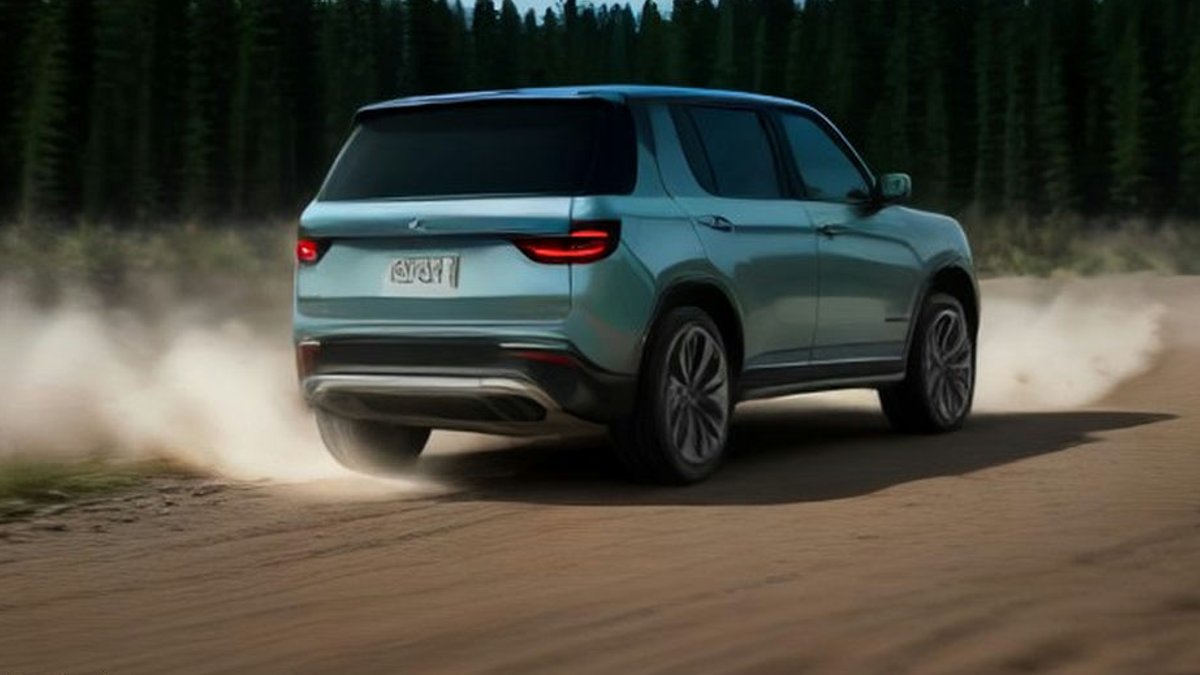
The Rivian R2 has earned the prestigious title of 2027 MotorTrend SUV of the Year, recognizing its exceptional ability to balance diverse design objectives. Unlike many electric vehicle competitors that cater to specific niches, the R2 strives to meet a wide range of SUV use cases, achieving success in every aspect.
According to technical director Frank Markus, “This is an operational design domain masterpiece. Its domain seems broader than anything else here this year. Relative to most of the competition, it’s better on the proving ground handling track, off-road even with street tires, and on public roads.”
The development team behind the R2 aimed to create a vehicle that excels as an electric car, a capable off-roader, a practical family vehicle, and an enjoyable daily driver. By focusing on the fundamentals, Rivian overcame the common engineering challenges that often arise when pursuing these conflicting goals. The R2 rides well even on its most basic suspension and exceptionally well on its optional dampers. It handles like a sport sedan on the road, even on the optional all-terrain tires, and breezes down an off-road trail without breaking a sweat, even with road-focused tires and without the optional dual-motor all-wheel-drive setup.
Read Also: Nissan Unveils Three Rugged Off-Road Concepts at SEMA Show
It provides an enormous rear seat with plenty of room for tall friends and rear-facing car seats, along with wide-opening doors for easy access. The R2 also offers voluminous cargo room behind the rear seats, under the cargo floor, and in the segment’s largest frunk. It maintains the style and comfort of the larger, more expensive R1 models and is controlled through the same world-class user interface. And it does all the above for tens of thousands of dollars less than R1 models.
Engineering Excellence
In an era of software-defined vehicles that receive wireless over-the-air updates, the importance of a solid foundation cannot be overstated. While software patches and updates can resolve issues and add features, they cannot compensate for poor hardware design and tuning. Rivian’s approach to building the R2 focused on establishing a robust foundation, which is then enhanced by software capabilities.


