Australia’s road toll remains stubbornly high, with 1,334 deaths recorded in the year to September 2026, according to the National Road Safety Data Hub. The figures underline the difficulty Australia faces in meeting its National Road Safety Strategy target of reducing fatalities by at least 50 per cent by 2030.
Could mandatory dash cams help the road toll?
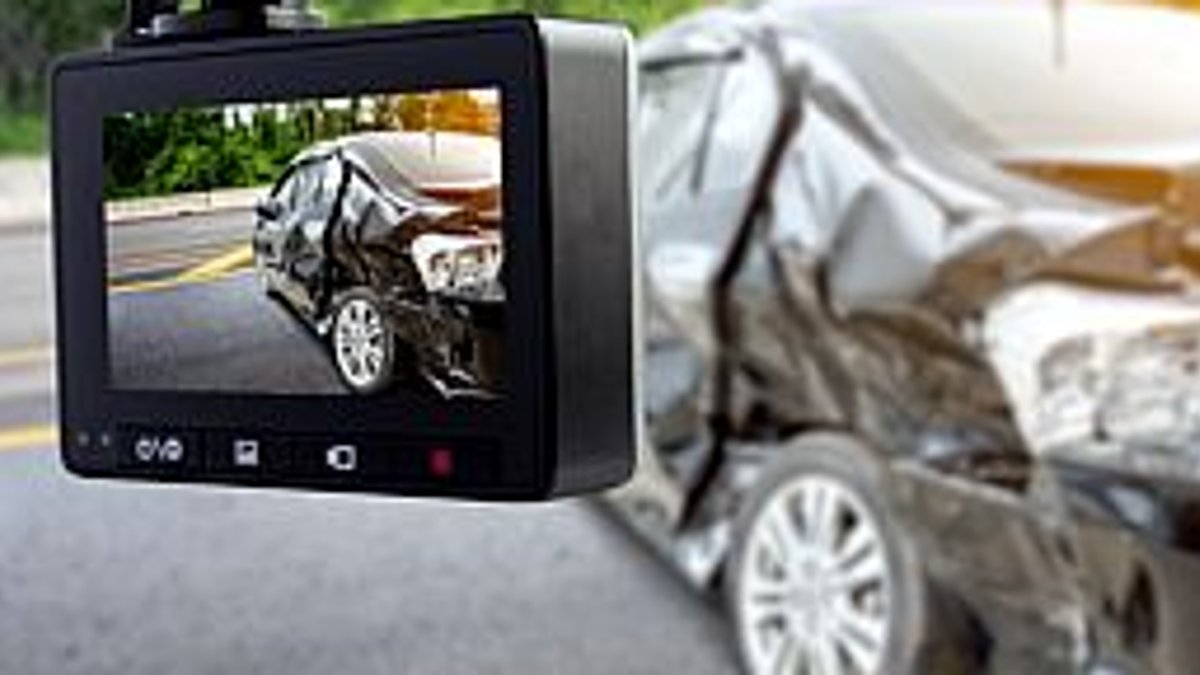
Dashboard cameras, already common in many Australian vehicles, are being reconsidered for their potential to improve road safety. While they’re typically used for recording collisions and resolving disputes, their ability to influence driver behavior is now under scrutiny. Unlike roadside enforcement cameras, which monitor specific locations, dash cams can record dangerous driving anywhere, offering a broader scope for deterrence.
The idea is simple: if drivers know they’re being recorded by surrounding vehicles, they might be less likely to engage in risky behavior like tailgating or speeding. There’s some evidence to support this theory, but proving its impact on reducing fatalities is more complex. More than 4300 submissions had been received since the portal’s introduction in May 2024, with police highlighting the potential for such technology to discourage dangerous driving even in their absence.
Evidence and Initiatives
In 2025, the Australasian College of Road Safety (ACRS) discussed how dash cams could supplement traditional policing. Initiatives like Victoria Police’s “See It. Share It.” campaign and ACT Policing’s online portal for submitting video evidence have shown promise. In 2025-26, ACT Policing issued 1,934 infringement notices worth over $850,000 based on video submissions, up from over 1,100 infringements worth more than $500,000 the previous year.
Internationally, the UK’s Operation Snap has seen success, with Northamptonshire Police receiving 2,899 video submissions in 12 months, leading to 1,508 prosecution notices. However, a 2019 UK parliamentary inquiry noted the need for a consistent national approach, emphasizing the potential of dash cams while calling for standardized implementation.
Read Also: European carmakers seek Chinese technology partnerships
Research from Monash University’s Accident Research Centre (MUARC) suggests that camera-based monitoring systems, combined with advanced driver assistance technologies, could prevent nearly 40,000 serious injury crashes in Victoria over 30 years, with economic benefits of around $13 billion. The researchers estimated economic benefits of approximately $13 billion against implementation costs of $600 million.
While these findings are encouraging, they primarily relate to active safety technology rather than standard dash cams. A recent academic paper also highlighted a lack of direct evidence linking initiatives like Operation Snap to reduced collision rates, showing the need for further research.
Single-vehicle crashes, which account for 56.8% of fatal accidents in Australia, present a particular challenge. Dash cams may help investigate these incidents but can’t physically prevent them. Technologies like autonomous emergency braking and lane-keeping assistance offer more direct intervention. Conversely, the number of fatal crashes involving multiple vehicles fell 9.2 per cent to 526 over the same period, suggesting the potential for dash cams to influence the national road toll through greater accountability between motorists may be limited.
Making them mandatory would also raise practical and regulatory questions, including minimum recording standards, data ownership, privacy, cybersecurity and the cost of retrofitting older vehicles. Police resources would similarly need to be considered, particularly if widespread camera adoption generated substantial volumes of footage requiring assessment.
While dash cams could complement existing safety measures, their potential to prevent collisions remains a key question. The idea that being recorded could deter dangerous driving is supported by some studies. A U.S. Federal Motor Carrier Safety Administration-funded study found a 37% to 52.2% reduction in safety-related driving events when commercial truck drivers received feedback based on camera recordings. However, these systems often include additional features like driver-facing cameras and coaching, making it difficult to isolate the impact of recording devices alone. In conclusion, the use of dash cams as a potential solution to improve road safety is an area that requires further research and consideration.


