The new Mercedes-AMG GT 4-door coupe arrives in 2026 as the brand’s first all-electric performance saloon. It delivers 1,153 horsepower and carries an expected starting price near £200,000.
An electric powertrain built for endurance
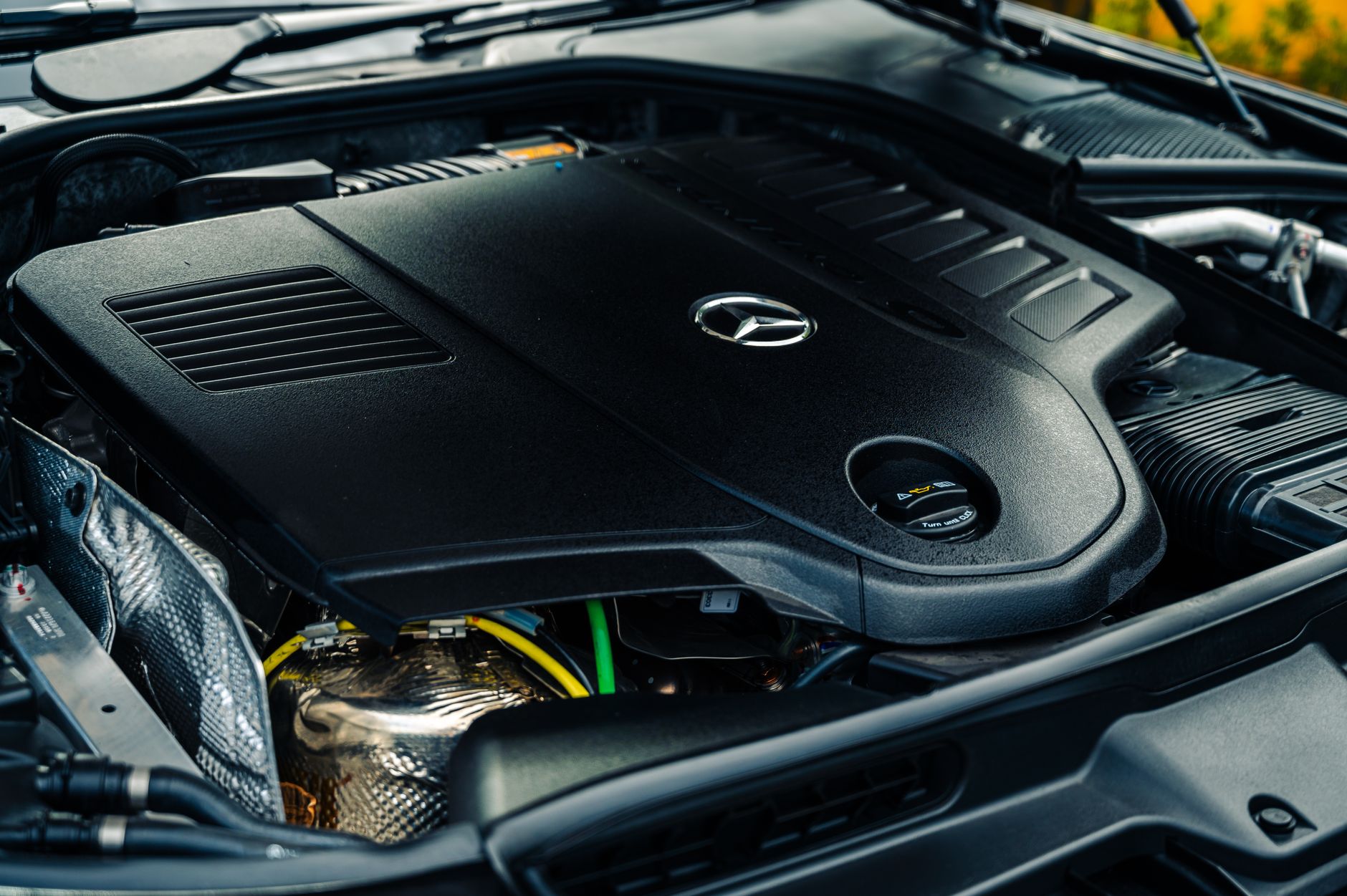
This model replaces the twin-turbo V8 of its predecessor with three axial-flux motors from Oxford-based Yasa. Two versions will launch: the GT55, producing 805 horsepower, and the GT63, which generates 1,153 horsepower—surpassing Mercedes’ £2.5 million Project One hypercar.
The motors are smaller and lighter than conventional units. Improved thermal management helps maintain performance under sustained load. One motor drives the front axle and can disconnect to reduce drag, while the other two sit in a single rear unit capable of 13,000 rpm. The GT63 accelerates from 0 to 62 mph in 2.4 seconds and reaches a top speed of 186 mph.
A 106 kWh battery supports 600 kW charging. It includes a 20 kW cooling system to prevent overheating. The setup allows for consistent acceleration, even after repeated hard launches.
Sound and sensation designed to mimic a V8
Audio engineers recorded 1,600 samples from AMG GT R models. They synthesized these into the electric car’s startup, acceleration, and overrun sounds. The system, called AMGFORCE S+, also uses seat vibrations to simulate engine revs.
The vehicle employs a virtual gearbox. The team behind the original V8 GT 4-door’s transmission calibrated it to replicate the feel of shifting gears. Traction control cannot be fully disabled, but a dial lets drivers adjust slip levels. When set to “max,” the system permits near-unrestricted wheelspin.
A platform built for performance, not compromise
The GT 4-door uses Mercedes’ new AMG.EA platform, combining aluminum, steel, and carbon composites. Active air suspension with hydraulic dampers replaces traditional anti-roll bars, while rear-wheel steering—up to six degrees—improves agility.
Related: Comment choisir et acheter les meilleurs pneus pour l’hiver ?
Aerodynamics feature active front louvers, underbody Venturi tunnels, and a rear diffuser that extends at 75 mph. Carbon-ceramic brakes manage the car’s 2,460 kg weight, though the design prioritizes range over aggressive styling.
The interior retains AMG’s rotary drive-mode dials but adds three physical knobs for powertrain response, agility, and traction. A 10.2-inch digital dash and 14-inch infotainment screen sit behind a single piece of glass. An optional second screen is available for the passenger.
Rear seats include a “foot garage” cut into the battery pack for extra legroom. A panoramic roof allows independent opacity control for each seat.
Production starts in summer 2026. The GT55 is expected to begin under £200,000, while the GT63 will likely cost more.
Mercedes has previously attempted to electrify a performance nameplate. The EQS AMG 63, released in 2023, aimed to deliver V8-like character in an EV. Its softer suspension and heavier weight prevented it from matching the GT’s sharpness. This new model avoids those compromises, though its success may hinge on how well synthetic engine notes and seat vibrations convince drivers.
Speed won’t be an issue. The challenge lies in justifying its price against competitors like Porsche’s Taycan, which already sets a high standard.


