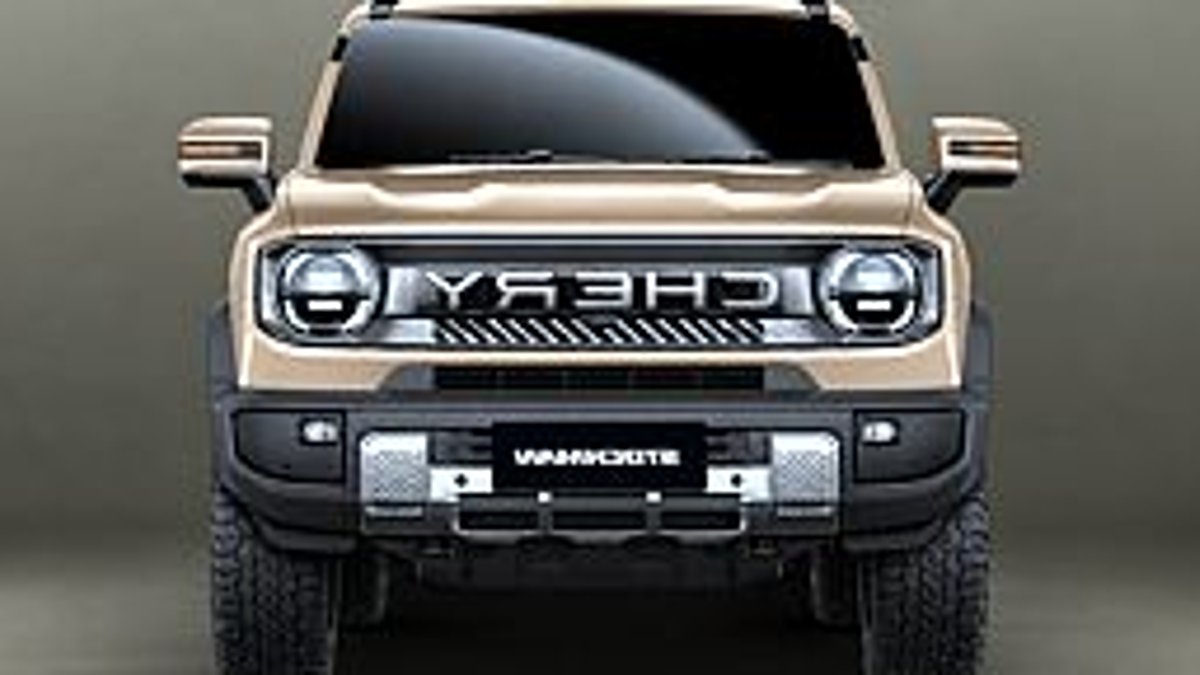
However, he emphasized that Chery’s implementation differs significantly from the German brand’s approach. The Stockman combines a 2.5-liter turbodiesel engine with a 34kWh lithium iron phosphate battery and two electric motors, delivering 350kW of power and 800Nm of torque. This setup ensures a unique blend of performance and efficiency, tailored to meet the demands of both on-road and off-road driving.
The vehicle’s interim electric range is rated at 96km (WLTP), with a consumption of 35.4kWh/100km. Its CO2 emissions are expected to be around 30g/km, a key factor for the New Vehicle Efficiency Standard (NVES). These figures highlight the Stockman’s potential to comply with stringent environmental regulations while offering practical electric driving capabilities.
Technical Innovations
The Stockman’s powertrain features a P1 integrated starter-generator (ISG) connected to the diesel engine, responsible for ignition, speed management, and energy production. Mr. Qi explained that the P1 ISG raises the diesel engine’s idle speed from the conventional 700-800rpm to approximately 1000rpm, promoting efficient burn-off of soot in the diesel particulate filter (DPF). A separate P2.5 drive motor at the transmission input provides propulsion through a four-speed dedicated hybrid transmission (DHT), enabling both the combustion engine and electric motor to drive all four wheels.
Chery’s hybrid control software optimizes diesel engine operation, prioritizing electric drive at low speeds and switching to direct engine drive during high-speed or towing scenarios. This strategy not only enhances efficiency but also addresses the challenge of diesel particulate filter (DPF) temperature management, ensuring efficient soot oxidation. The software also prolongs diesel engine runtimes to support DPF regeneration, even after power demands subside, while surplus energy is directed to charging the battery.
Read Also: Kia Eyes GT Model to Fill GT-R’s Shoes
Off-Road Capability and Competition
The Stockman’s design prioritizes off-road capability, with both its internal combustion engine (ICE) and electric vehicle (EV) components capable of sending drive to both axles via a transfer case. This approach differs from the BYD Shark 6, which relies solely on an electric motor for rear-axle drive. Mr. Qi emphasized the importance of maintaining mechanical torque to the rear wheels during steep ascents, as the front wheels may unload.
Qi, formerly of GWM’s Cannon ute engineering team, highlighted the importance of referencing established utes for occupant accommodation, usability, and drivetrain capability. This full benchmarking ensures the Stockman meets or exceeds industry standards in key areas.
Battery longevity is a key concern for potential buyers, and Chery has addressed this by leveraging its experience in high-volume electrified vehicle sales. When asked about battery replacement in a 10- to 15-year-old Stockman, Mr. Qi cited Chery’s extensive testing and sales data, stating that the brand expects batteries to remain durable well past 300,000km. This confidence is backed by an eight-year warranty, ensuring long-term reliability and customer peace of mind. With its advanced powertrain, off-road capabilities, and focus on durability, the Stockman is poised to compete effectively in the global ute market, meeting the evolving demands of consumers and regulatory standards alike.


