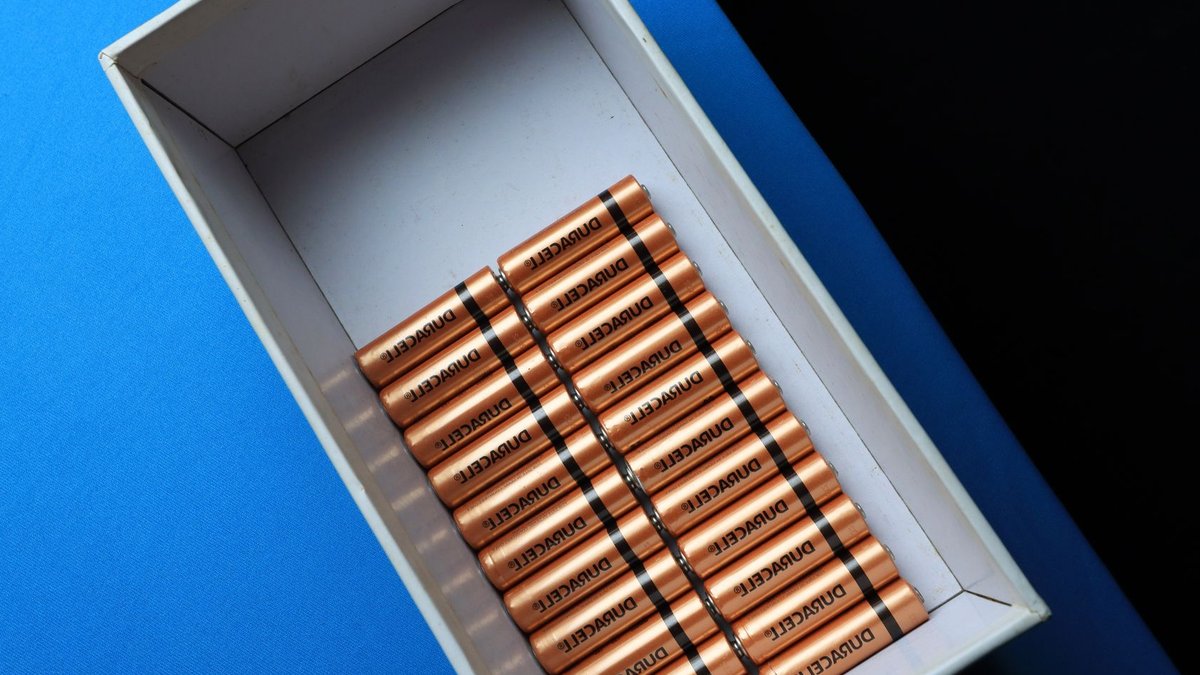
EV batteries are moving away from cobalt as manufacturers diversify chemistries to cut costs and address supply‑chain concerns.
From nickel‑rich NMC to iron‑based LFP
During the 2010s most electric cars and vans relied on lithium‑nickel‑manganese‑cobalt oxide (NMC) cells. Over time the cobalt fraction in these batteries has been trimmed, with nickel taking a larger role. Both nickel and cobalt, however, remain expensive and their extraction can generate significant emissions.
Manufacturers have turned to lithium iron phosphate (LFP) as a practical alternative. LFP cells contain no nickel or cobalt; their core ingredients are lithium, iron and phosphate, materials that are abundant and cheap. The chemistry also tolerates more charge‑discharge cycles than NMC and is considered safer, though it stores less energy per kilogram, limiting range.
Early in the decade LFP was mostly seen in electric buses, where space allowed for larger packs. Advances in cell design and packaging have since enabled LFP‑powered cars and vans to achieve 200‑plus mile ranges. Today, Tesla, Chinese makers and several European OEMs offer standard‑range models equipped with LFP batteries.
Related: BCA opens new battery repair centre
Enhancing LFP and emerging alternatives
Vendors are improving LFP in three ways. First, additives that slow degradation have extended warranties, such as a 15‑year or 1.5 million‑kilometer guarantee on a new bus battery from CATL.
Second, electrode tweaks and lower internal resistance are enabling rapid charging; BYD’s flash‑charging network can deliver 1.5 MW, taking an LFP‑based car from 10 % to 70 % charge in five minutes.
Third, a variant known as LMFP substitutes part of the iron with manganese, raising cell voltage and thus energy density. The result is a low‑cost pack that can rival the range of conventional NMC batteries while retaining the ethical advantages of LFP.
Sodium‑ion technology is another path manufacturers are exploring. Sodium‑ion cells could be up to 40 % cheaper than LFP by 2030, potentially making entry‑level EVs cheaper than comparable internal‑combustion models. The chemistry performs well in cold temperatures and can be discharged to zero volts safely, reducing shipping costs. Its main drawback is lower energy density because sodium atoms are larger than lithium, meaning the batteries store less energy for a given weight.
Solid‑state batteries could ultimately deliver the biggest jump in range. By replacing the liquid electrolyte and polymer separator with a solid material, these cells eliminate flammable liquids and allow pure lithium anodes without dendrite formation. This design could cut weight and volume, potentially doubling the range of current electric vehicles.
Related: Ayvens posts strong results despite income drop
Various solid‑state electrolytes—polymer, sulfide and ceramic—are under development. Polymers are likely to appear first, with sulfide and ceramic versions promising higher safety and faster charging but requiring new manufacturing processes. BMW is testing a sulfide‑based solid‑state pack in its i7, yet plans to delay broader rollout until at least 2033 due to cost considerations. Some Chinese brands have introduced “semi‑solid‑state” batteries, which still contain liquid electrolyte and offer only modest gains.
The current wave of innovation resembles a broader diversification rather than a single replacement, echoing past transitions where a new chemistry gradually complemented rather than eliminated existing options.
In sum, the battery field will feature high‑power, long‑life LFP packs, LMFP cells that deliver longer range at modest cost, sodium‑ion designs that lower entry prices and improve cold‑weather performance, and solid‑state technologies that could eventually double vehicle range. Geopolitical factors and supply‑chain constraints may slow adoption, especially in the UK market.
Fleet managers are urged to consider available EVs that already meet operational needs, as the benefits of reduced emissions and lower operating costs are immediate, regardless of ongoing battery developments.


