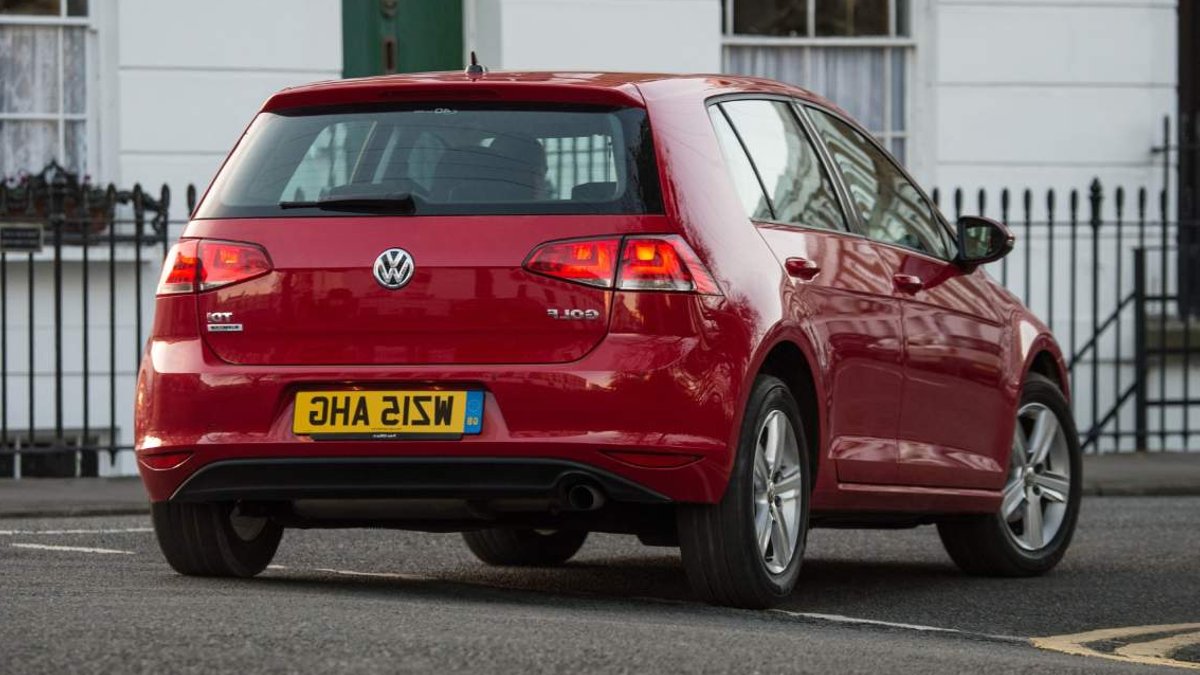
When a neighbor’s Volkswagen Golf Mk7 sat idle on a cold driveway, the owner’s concern about a flat battery led a local driver to take the car for a short spin, ultimately reshaping his own approach to the road.
He learned a lot.
Why the car needed a ride
The neighbor, recovering from surgery, warned that the Golf would sit unused for weeks, risking a dead battery in chilly weather. The motorist, familiar with the nuisance of a flat, offered to move the vehicle while the owner rested. On a Wednesday afternoon, he took the key and set out, aiming only to keep the car’s engine turning.
First impressions of the Mk7
The Mk7’s reputation as a reliable, middle‑size hatchback proved accurate. Its spacious interior and smooth DSG transmission delivered a comfortable ride that matched expectations for this generation. Even without a high‑performance badge, the car’s handling felt solid, confirming why many drivers consider the seventh‑generation model a benchmark in its class.
Related: Radical SR1 XXR 2024 Track Tested and Raced
Driving the borrowed vehicle required a shift in mindset. He noted that weather alerts often urge people to limit trips, but he found himself on a route with no specific destination. “It’s a journey without a destination,” he wrote, describing a loop that began and ended at the same driveway, with only the engine’s temperature as a measurable goal.
During the outing, he observed the traffic around him more closely than usual. He scanned for inattentive motorists, noting those who appeared unsure at roundabouts or who merged without signaling. The experience reminded him of how cyclists stay alert to surrounding behavior, a habit he adopted while behind the wheel.
These subtle changes highlighted a broader lesson: caring for another’s property can heighten a driver’s awareness of both the vehicle and the road environment. The heightened focus on smooth inputs and defensive positioning translated into a more considered approach to everyday driving.
Looking ahead, the experience suggests that occasional use of a different car could serve as a low‑cost method for drivers to refine their skills. While formal courses and track days offer structured training, a simple, purpose‑free drive in a neighbor’s car may provide insight into how the vehicle responds and how personal habits affect control.


