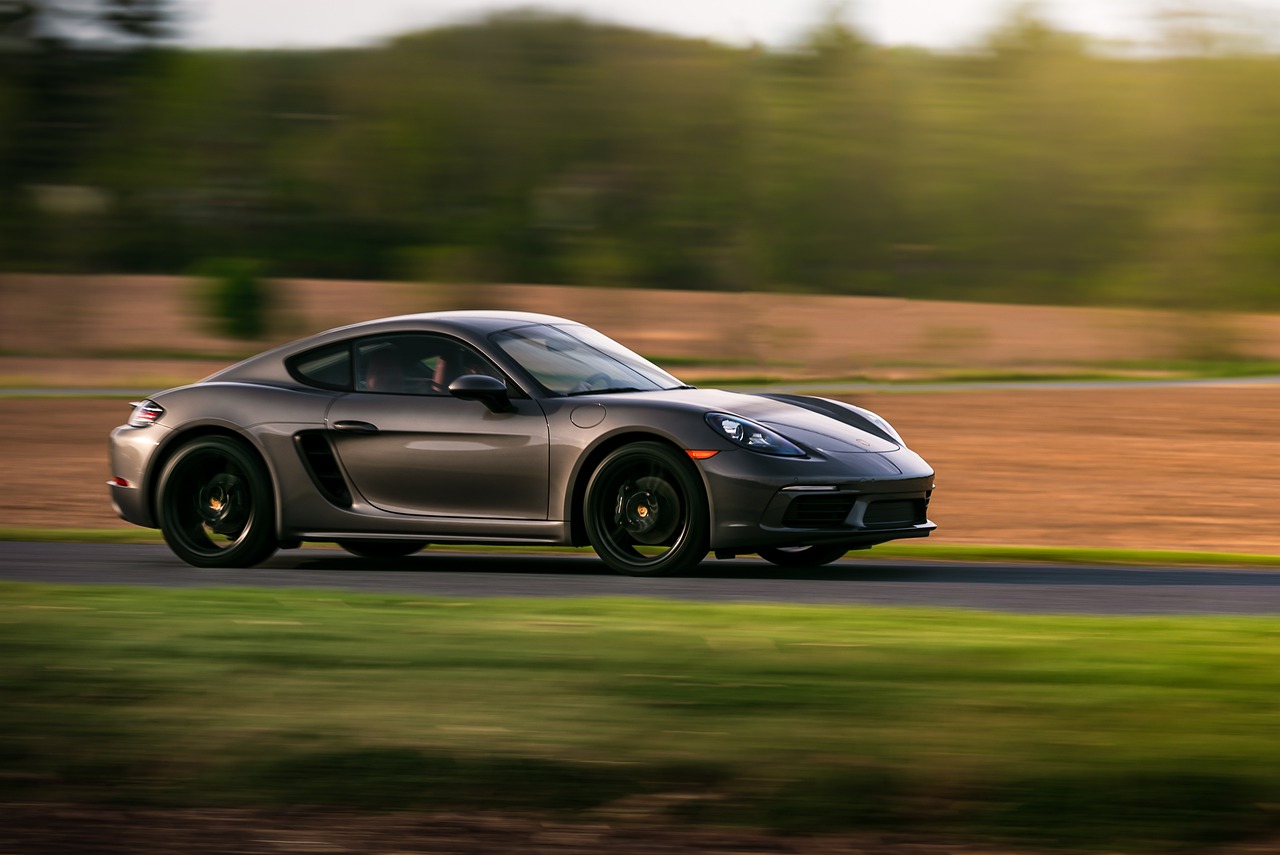
The new Polestar 5 arrives as the Swedish automaker’s flagship electric four‑door GT, promising performance that rivals the Porsche Taycan while starting at a lower price point.
Powertrain and performance specs
Polestar offers two versions at launch. The Dual Motor model combines an electric motor on each axle for a total output of 737 bhp and 599 lb‑ft of torque. The higher‑output Performance variant pushes that figure to 871 bhp and 749 lb‑ft. Both models use a bespoke 112 kW‑hour battery and a custom‑developed rear motor, while the front motor is supplied by ZF.
Official acceleration claims are 0‑62 mph in 3.2 seconds for the Performance version and 3.8 seconds for the Dual Motor. In real‑world testing on the winding roads of the Muntanyes de Pradas, the Performance model felt as quick as the numbers suggest, while the Dual Motor kept pace with older hypercars.
Related: Radical SR3 XXR and SR10 XXR upgraded for 2025
Power distribution differs between the two trims. The Performance’s rear motor supplies over 600 bhp, with the front adding about 268 bhp. By contrast, the Dual Motor places a higher proportion of power at the front axle—over 300 bhp—while the rear contributes 436 bhp.
Chassis, handling and ride comfort
The car rests on a bonded aluminium architecture that provides roughly 50 percent more torsional stiffness than conventional steel platforms. This rigidity underpins the bespoke MagneRide adaptive dampers on the Performance model and passive hydraulic dampers on the Dual Motor. Drivers can select Light, Standard or Firm settings, with Firm adding off‑centre weight for sharper cornering.
Steering uses a fixed‑ratio rack, delivering a weighted feel that some reviewers find less nimble than the Taycan’s off‑centre steering. Torque‑vectoring through the braking system compensates for the lack of a limited‑slip differential, though a faint brake‑dust odor can appear after aggressive driving.
Despite a kerb weight of about 2,500 kg, the ride remains composed.
Related: Videos for Your Business Website: A Game-Changer for Engagement and Conversion
The only noticeable drawback is a slight high‑frequency chatter at very low speeds, which does not detract from overall comfort.
Interior, technology and practicality
The front and rear trunks provide generous storage, with a 62‑litre front compartment built from a recyclable, lightweight sound‑reducing material. No additional sound‑deadening foam is needed, as the frunk itself dampens noise.
From a broader perspective, the Polestar 5’s arrival highlights a shift in the high‑performance EV market toward more versatile, grand‑tourer‑type designs. Buyers seeking both speed and everyday practicality may find the blend of power, range and cabin space attractive, especially as competing models become increasingly specialized.
Range, charging and efficiency
Polestar advertises a claimed range of 421 miles for the Dual Motor and 346 miles for the Performance model. Real‑world testing on demanding mountain routes showed lower figures, with consumption around 1.98 mi/kWh, translating to an effective range of roughly 200‑250 miles. The 800 V architecture supports fast charging up to 350 kW, enabling a jump from 10 % to 80 % in about 22 minutes.
Related: The Lustrous Appeal of Metallic Labels
The battery pack contains 192 cells across eight modules and uses a nickel‑manganese‑cobalt chemistry. Efficiency numbers—3.4 mi/kWh for the Dual Motor and 2.9 mi/kWh for the Performance—lag behind some smaller electric sedans, but the larger battery supports the car’s higher performance output.
Pricing and market positioning
Pricing starts at £89,500 for the Dual Motor and £104,900 for the Performance version. Compared with rivals, the Polestar 5 undercuts the Mercedes‑AMG electric GT, which begins near £150,000, and sits below the Porsche Taycan’s price range. The Dual Motor aligns closely with a base Taycan or Audi e‑tron GT, yet offers more horsepower than the Taycan GTS (£118,200) and approaches the power of the Turbo‑level Taycan (£135,200) at a lower cost.
Whether consumers will adopt the Polestar 5 remains uncertain. The car delivers a compelling mix of speed, space and a distinct design language, but it competes in a segment where buyer expectations for brand prestige and driving trends are high. Only time will reveal if the market rewards this new entrant’s blend of performance and practicality.


