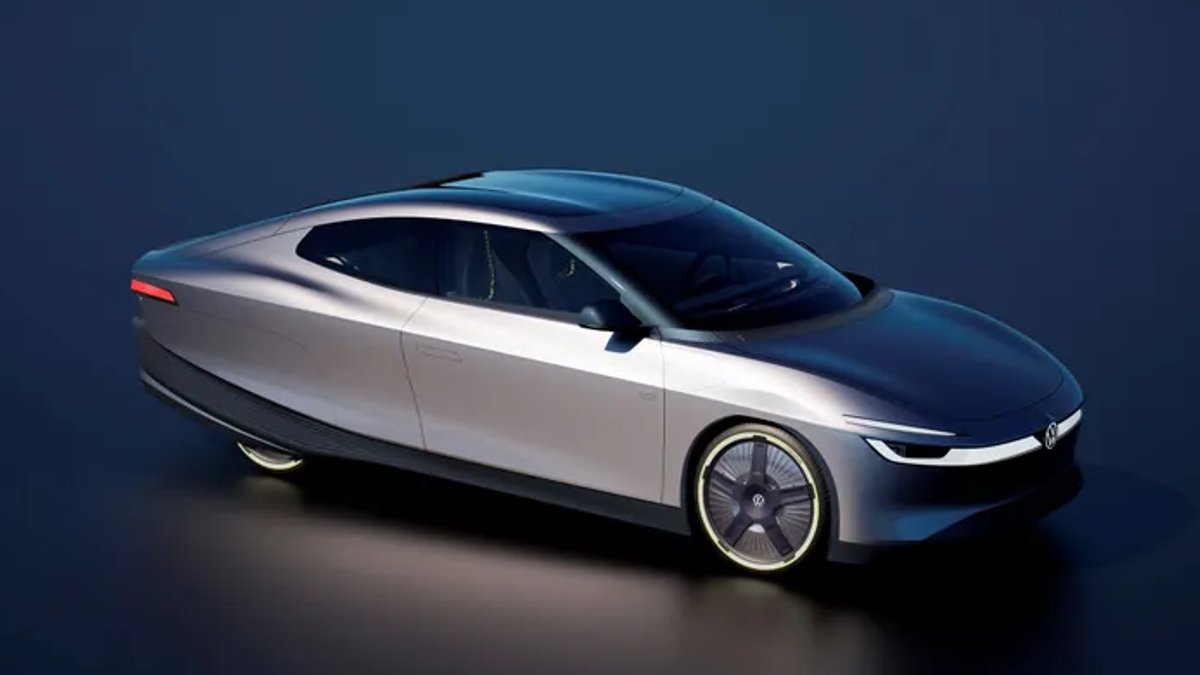
Volkswagen is revisiting the engineering principles behind its earlier XL1 model with the introduction of the Mission Efficiency electric vehicle (EV). This new concept car is designed to showcase the impact of aerodynamics, weight reduction, and drivetrain efficiency on energy consumption and range.
A Modern Take on Aerodynamic Efficiency
The Mission Efficiency, a two-plus-two vehicle, is built on Volkswagen’s MEB+ platform and features the electric drivetrain technology developed for the ID. Polo hatchback. Volkswagen Chief Designer Andreas Mindt highlights the car’s long roofline and aerodynamically optimized shape, drawing parallels to the iconic XL1.
Mission Efficiency’s Striking Design Details
The concept’s dimensions are striking: 188 inches long, 69 inches wide, and just 55 inches high, with a 106.3-inch wheelbase. Its design includes a teardrop-shaped rear, enclosed rear wheels, and a heavy front-end taper, resulting in a drag coefficient of 0.158.
Innovative Features and Practical Considerations
The Mission Efficiency incorporates several innovative features. A trio of cooling flaps in the front end adjusts to cooling needs, and patented deflectors inside the wheels minimize turbulence. The car also features a semi-dry braking system, combining hydraulic front brakes with an electromechanical rear system.
Read Also: Infotainment systems plague new vehicle owners
While the XL1 was a two-seater, the Mission Efficiency offers four seats, though the rear seats are designed for occupants under 5-foot-3. It also includes a 17.0-cubic-foot luggage compartment and a load floor that extends to 71 inches when the rear seats are folded.
The vehicle’s infotainment system is notably minimalist, relying on a smartphone or tablet for display and a portable Bluetooth speaker for audio. Physical controls and a small e-paper display manage vehicle functions.
Solar Power Boosts Daily Range
The Mission Efficiency’s 370-watt photovoltaic system, integrated into the glass roof and rear hatch, provides low-voltage power to various components, potentially adding up to 18.6 miles of daily range under optimal conditions.
The original XL1, introduced in 2013, was part of Volkswagen’s “one-liter car” project, featuring a plug-in hybrid drivetrain and a carbon-fiber body.
Read Also: EV cost overruns begin in design phase
In contrast, the Mission Efficiency’s drivetrain is set for mass production, sharing components with the ID. Polo. Its front-mounted electric motor delivers 133 hp and 195 lb-ft of torque, paired with a 54.9 kWh battery pack capable of 105 kW DC charging.
Drivetrain and Real-World Performance
During a recent 794-mile test drive, the Mission Efficiency achieved an average energy consumption of 6.9 kWh/100 km, excluding charging losses, with an average speed of 42 mph.
The Mission Efficiency’s design is a significant departure from the ID. Polo, with a body that is exceptionally long and low, measuring 188 inches in length, 69 inches in width, and only 55 inches in height. Its 106.3-inch wheelbase is 3.9 inches longer than the ID. Polo’s, and the rear overhang is extended to achieve the teardrop-shaped rear. This design approach results in a drag coefficient of 0.158, lower than the XL1’s 0.189, making it the most aerodynamically efficient vehicle approved for road use, according to Volkswagen.
To further enhance efficiency, the Mission Efficiency features cooling flaps in the front end that adjust to cooling needs and deflectors inside the wheels to minimize turbulence. The vehicle retains conventional exterior mirrors, as calculations and wind-tunnel testing showed that cameras would provide only a negligible efficiency improvement while adding significant cost.
Read Also: Horse Powertrain launches US operations in Detroit
While not intended for production, the Mission Efficiency includes practical features such as four seats, with rear seats designed for occupants under 5-foot-3. The luggage compartment offers 17.0 cubic feet of space, and folding the rear seats creates a 71-inch-long load floor.
Sustainability and Lightweight Construction
Sustainability is a key focus, with the Mission Efficiency featuring a 370-watt photovoltaic system integrated into the glass roof and rear hatch. This system supplies low-voltage power to various components, potentially adding up to 18.6 miles of daily range under optimal conditions. Lightweight construction, including carbon-fiber reinforced plastic composite materials for the doors, hood, rear hatch, and fenders, further contributes to efficiency and sustainability goals.
The Mission Efficiency’s drivetrain, shared with the ID. Polo, demonstrates that the technologies developed for this concept car are not just theoretical but can be implemented in real-world vehicles.
In its 794-mile road journey, the Mission Efficiency demonstrated real-world efficiency, achieving an average energy consumption of 6.9 kWh/100 km, excluding charging losses. This journey highlighted the vehicle’s ability to maintain high efficiency even at higher speeds, consuming more than 30% less energy than the production ID. Polo above 50 mph.


