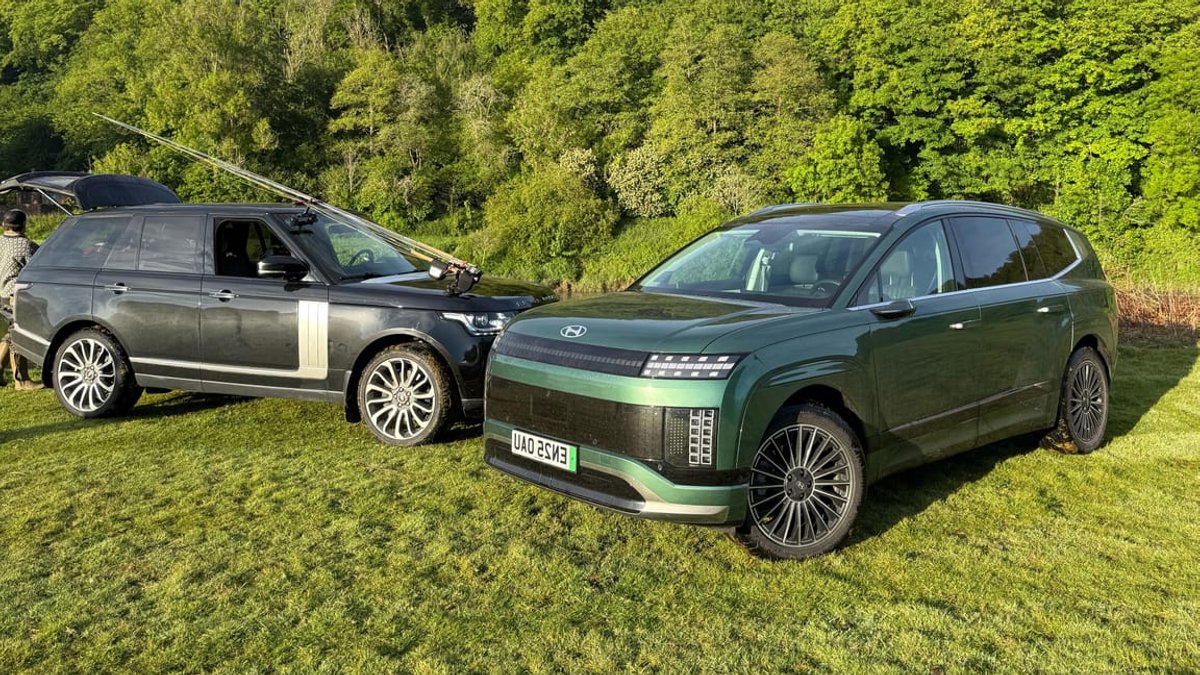
After four months and nearly 5,000 miles, the large green Hyundai Ioniq 9 has returned to the Top Gear test fleet. The car industry often produces vehicles that seem everything wrong with the modern era—massive, heavy, and inconveniently electric—but this specific model left a different impression. It offered a sanctuary for a busy family life, proving that sometimes a car more comfortable than a sofa and bigger than a living room is exactly what is needed.
Space and Utility
Despite having driven spectacularly large cars recently, including a Defender 130 and an ID. Buzz, the Ioniq 9 provides all the space a family reasonably requires. The six-seat configuration features captain’s chairs that offer a sense of openness even if they seat one less person than a full bench. For a family of four, this arrangement is the sweet spot, offering a minibus-like environment with the rear row folded down.
Related: Skoda Kodiaq vRS tested over six months
There are quirks, however. During a fishing trip, the swivel function on the second-row seats revealed itself as a novelty rather than a practical feature, allowing occupants to sit awkwardly and stare out the side of the vehicle. The 100W USB-C sockets are powerful but frustratingly placed in the side of the front seats, where kicking feet often bent and damaged the cables. Despite these minor issues, the interior quality feels solid and unpretentious, with materials that provide a sense of luxury through durability rather than trim choices.
Driving and Range
Performance is predictable thanks to 421bhp and four-wheel drive, but the physics of moving such a heavy vehicle through the air initially caused range anxiety. The car, however, features a more slippery shape than the blockier Kia EV9. Once warm weather arrived, the battery thrived, allowing for indicated range readings of 330 miles or more without needing to adjust driving habits.
Related: Operator halves HGV fleet over tachograph breach
This trust in the readout changed how the driver manages charging. Shorter, more frequent stops are always faster on a long trip, and utilizing a home charger with a cheap overnight tariff proved effective. Electricity rates as low as 7p per kWh between midnight and 5am allow for topping up thirty percent of the battery or adding 100 miles for pennies. The styling, which initially seemed odd, eventually grew on the driver, who prefers a car that courts opinions over a generic shape.
Despite these comparisons, the car delivers a reliable performance record and practical utility. The charging flap cover did fall off at one point, raising questions about whether it was a manufacturing issue or theft, but the rest of the vehicle functioned without significant fault.


