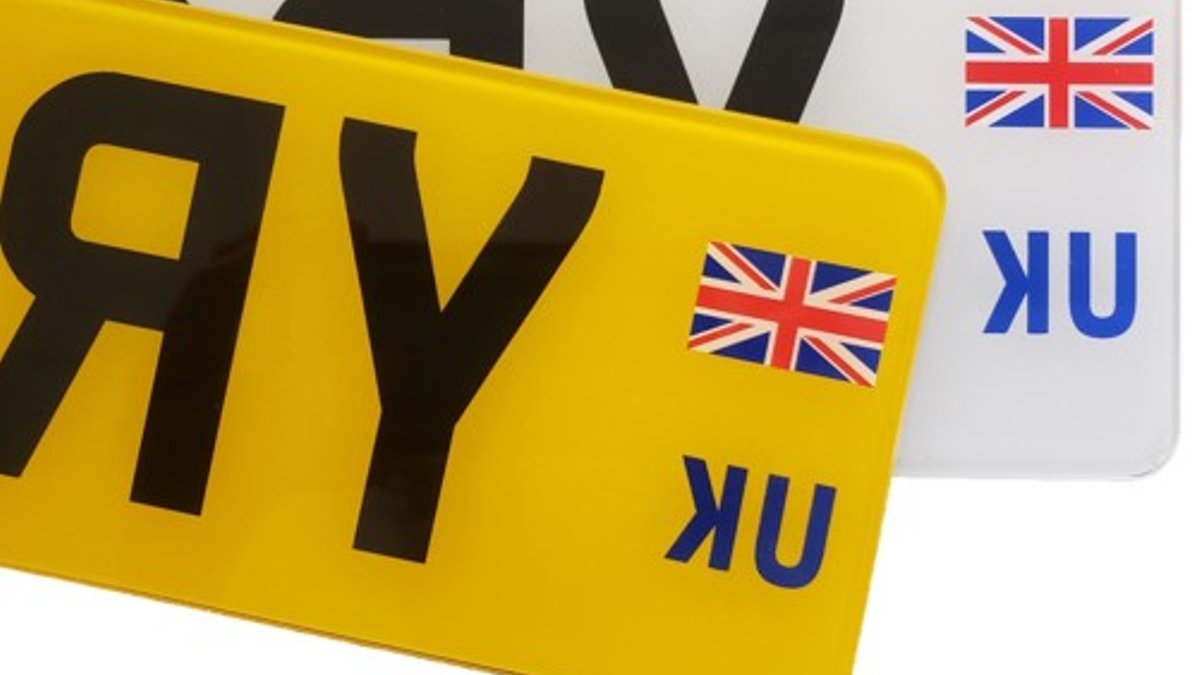
Fleet operators are being urged to remain vigilant against number plate cloning after new figures revealed reports of suspected cloned registrations have increased by more than 50% over the past five years.
Data obtained from the DVSA through a Freedom of Information request by vehicle leasing company Select Car Leasing shows the number of suspected cloned number plate cases rose from 7,430 in 2021 to 11,395 in 2025 – a 53% increase.
The findings highlight a growing issue for businesses operating vehicle fleets, where cloned registrations can lead to disputed speeding fines, parking penalties, clean air zone charges and police enquiries, creating an unnecessary administrative burden for fleet managers.
Criminals clone registration plates to disguise the identity of vehicles being used to commit offences, leaving the legitimate registered keeper to deal with the consequences.
Incidents can involve fuel theft, speeding offences, congestion and clean air zone charges, or the use of stolen vehicles.
Recent cases have demonstrated the potential financial impact, with one driver reportedly receiving demands for £8,500 in clean air zone charges despite never having driven in London.
Graham Conway, managing director of Select Car Leasing, said the increasing number of suspected cloning incidents should encourage motorists and businesses to act quickly if they believe their vehicle registrations have been copied.
“Discovering your licence plate has been cloned can be deeply distressing,” he said.
“Many drivers only find out when the fines start arriving, and by then they’re often facing hundreds or even thousands of pounds in penalties for offences they didn’t commit.
“Our data illustrates how concerns among UK drivers are growing, with the number of suspected incidents increasing rapidly in the past five years.
“If you think you’ve fallen victim, act quickly, address any fines before they start piling up, and notify the authorities immediately.”
For fleet managers, prompt action is essential.
Unexplained penalty charge notices, speeding offences or clean air zone charges should be investigated rather than processed automatically, particularly if vehicle telematics, driver records or job schedules indicate the vehicle was elsewhere at the time.
Criminals often copy the registration from a vehicle that closely matches their own in make, model and colour, making the deception harder to detect.
They may also target vehicles located hundreds of miles away to reduce the likelihood of being identified.
If a fleet vehicle is suspected of having its registration cloned, operators should report the matter to the police and obtain a crime reference number.
They should also notify the DVLA, which can provide a replacement age-related registration number in some circumstances.
Operators should challenge any penalty notices or clean air zone charges immediately, supplying evidence and the crime reference where appropriate.
Informing their insurer in case future claims or incidents are incorrectly linked to the vehicle is also important.
Using telematics, vehicle tracking data and driver records can help demonstrate the vehicle’s actual location if penalties are disputed.
The figures serve as a reminder that, while number plate cloning remains relatively uncommon compared with the UK’s overall vehicle parc, it is an increasing fraud risk that can consume significant time and resources for fleet teams responsible for managing large numbers of vehicles.
Related: Firm buys Epyx and R2C Online assets


